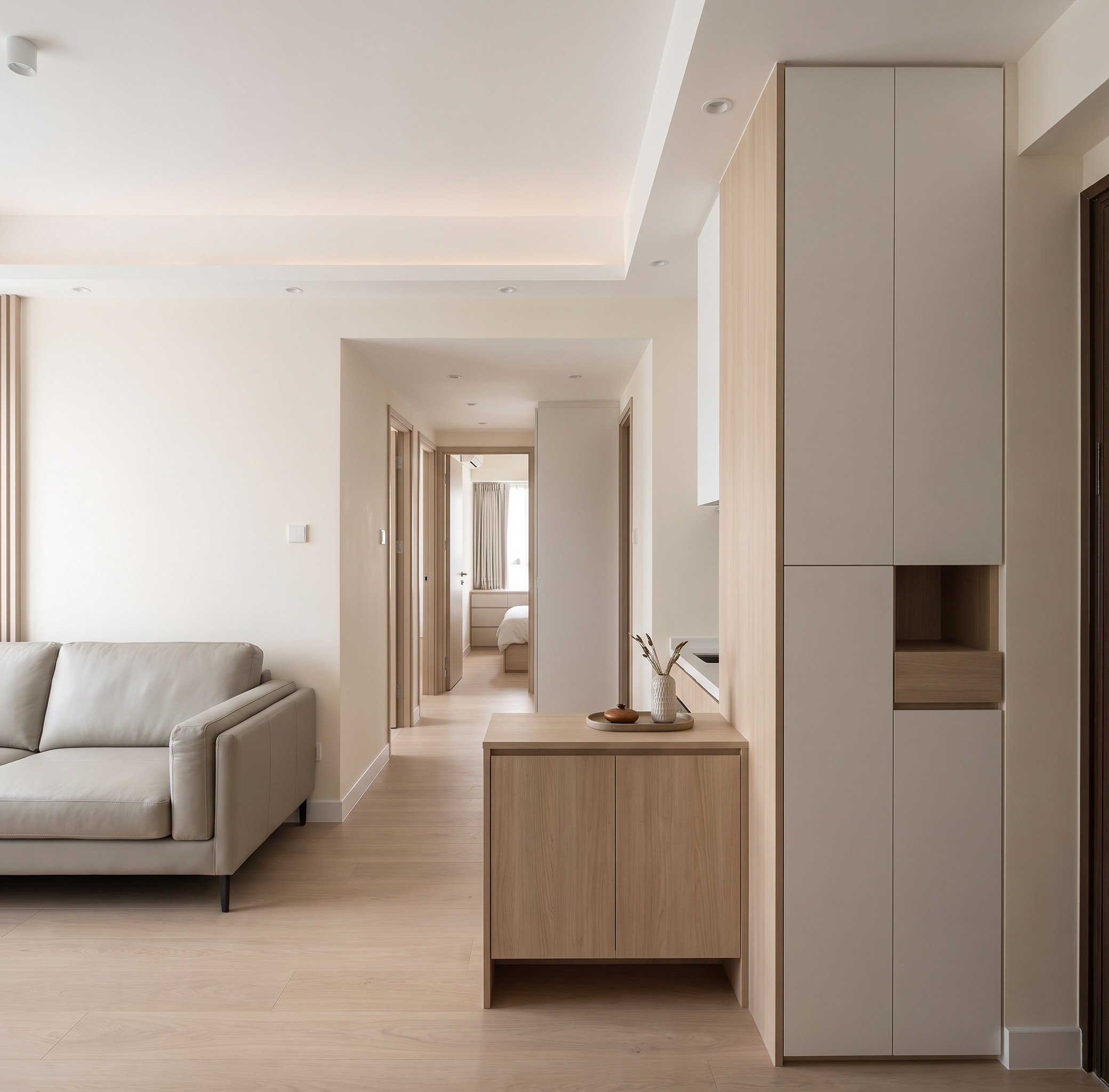
Workshop photographs
Photographs from our workshop. Select a photograph to enlarge it.
Loading photographs…
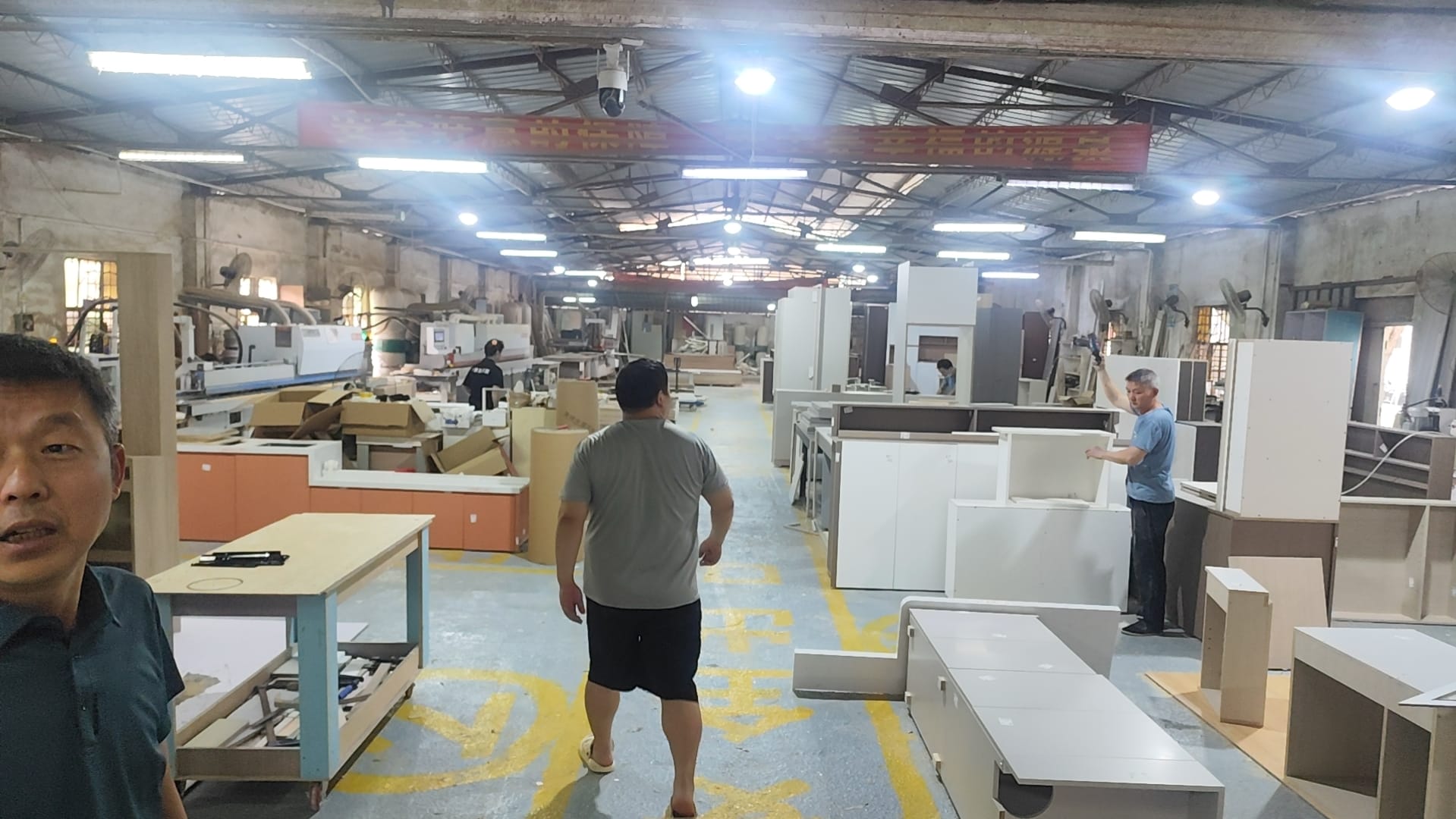
Our workshop makes the pieces shown in these workshop and sintered-stone photographs.
Accurate workmanship brings a cabinet design to life.
CraftInsignia makes cabinets and sintered-stone furniture in its own workshop. In Hong Kong flats, beams, window ledges and air-conditioning units can make standard furniture awkward to fit. Measuring wardrobes, TV units, kitchen cabinets and platforms on site helps reclaim otherwise unusable corners.
Photographs from our workshop. Select a photograph to enlarge it.
Loading photographs…
Made to measure around beams and air conditioners to minimise unused space.
| Type | Common location | Design considerations |
|---|---|---|
| Wardrobe | Bedroom | Beams and air conditioners, hanging versus folded storage, door swing and clearance beside the bed |
| TV unit | Living room | Screen size, power and signal connections, equipment storage and ventilation |
| Kitchen cabinetry | Kitchen | Coordinate plumbing, extraction and depth with the cooker, sink and wall units |
| Raised platform | Bedroom or multipurpose room | Headroom, storage access, door thresholds and window ledges |
| Sintered-stone furniture | Living and dining areas or kitchens | Slab size, joints, edge finish and delivery access |
For joinery’s role in a renovation, see bespoke joinery and furniture services。
Plan bespoke furniture as part of the renovation programme.
Dimensions, compartment layouts and edge details go directly from the design team to our workshop.
Joinery follows wet trades and precedes final painting and handover. The workshop and site teams can adjust together when the programme changes.
One team takes responsibility if a cabinet does not fit the site.
Our team manages design, planning and construction throughout. Read about our approach in About CraftInsignia。
The stages from selecting materials to installation.
Measure the location and record beams, columns, ledges, air conditioners and sockets.
Confirm dimensions, compartments, door swings and materials before pricing.
Measure again after the walls, floor and ceiling are finished, before cutting material.
We manufacture the cabinets and furniture in our own workshop.
Deliver and fit the furniture, check edges, levels and operation, then hand over.
Plaster, tiles and flooring alter finished dimensions. Cut boards are difficult to change, so we check the finished walls, floor and ceiling before production. This is why joinery follows wet trades. See renovation sequence。
Ask about all three components of a board: core, surface and edging.
| Board core | Construction | Characteristics | Typical uses |
|---|---|---|---|
| Plywood | Cross-laminated layers of thin wood veneer | Good screw holding and load capacity, with resistance to humidity-related warping | Load-bearing shelves, cabinets and areas near water such as kitchens |
| Particleboard | Wood particles pressed with adhesive | Flat and affordable. Exposed edges can swell when wet. | Dry-area wardrobes, bookcases and TV units |
| Medium-density fibreboard (MDF) | Compressed wood fibres | Fine surface and easy machining, with lower screw holding and moisture resistance | Shaped and lacquered door fronts |
| Moisture-resistant board | Moisture-treated particleboard or fibreboard | Improved resistance to humidity | Kitchens, bathrooms and areas near water |
General guidance for selection. The quotation specifies the actual materials.
Adhesives in manufactured boards can release formaldehyde. E1, E0 and ENF classify emissions across plywood, particleboard and fibreboard. Under mainland standard GB/T 39600-2021, the lower the limit, the lower the emissions:
Our workshop produces a range of sintered-stone furniture.
Natural minerals such as quartz, feldspar and clay are pressed under high pressure and sintered at about 1,200°C or above. The result is a dense surface used for worktops, wall finishes, cabinet fronts and furniture.
For photographs of sintered-stone cabinets and furniture, see Sintered-stone furniture. For kitchen applications, see Kitchen renovation for details.
Check each item before signing off the drawings.
If the joinery is part of a complete renovation, see how quotations are calculated。
From material samples to finished interiors.
Questions about boards, sintered stone and production.
We make furniture, cabinets, wardrobes, TV units, kitchen cabinets, platforms and sintered-stone pieces.
Joinery must follow the wet trades and fit the electrical and painting programme. One team handles dimensions, drawings, production and installation, making changes easier to coordinate and responsibility clear.
We take initial dimensions during design. Before cutting boards, we remeasure after walls, floor and ceiling are finished because plastering and flooring change the fit.
Quartz, feldspar, clay and other minerals are pressed and fired at around 1,200°C or higher. The dense material has low water absorption and a hard, heat- and stain-resistant surface suitable for worktops, walls, cabinet fronts and furniture.
Edges can chip during handling, drilling or finishing. Worktop joints remain visible. Lift and stair dimensions limit slab sizes, so experienced fabricators and fitters are important.
Plywood provides screw holding and strength for shelves or areas near water. Particleboard is flat and widely used for cabinets. MDF takes shaped and lacquered finishes well but is less moisture resistant. Ask about core, surface, edges and thickness.
They are formaldehyde emission grades. Under GB/T 39600-2021, the maximum is 0.124 mg/m³ for E1, 0.050 for E0 and 0.025 for ENF. Lower figures indicate lower emissions.
Contact us for measurement and pricing by WhatsApp or telephone +852 5957 4369、+852 6633 2245, email craftins.info@gmail.com, or visit our contact or complete the form, indicating location, dimensions and storage requirements.
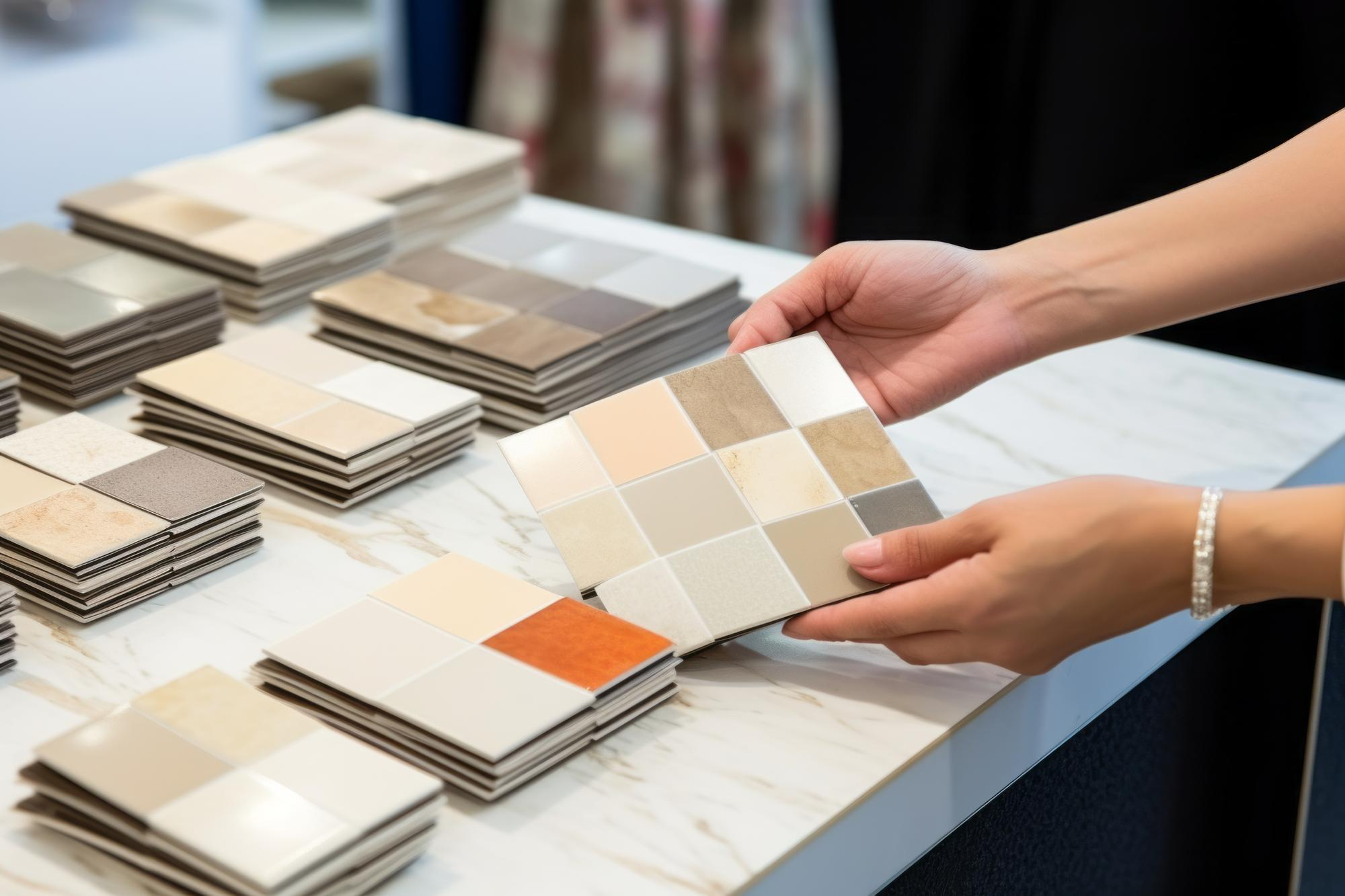

A durable, low-maintenance surface with stone-like patterns.
Hard but brittle, sintered stone requires specialist cutting, edging and installation. Explore properties, limitations, thicknesses, care and actual photographs to decide whether it suits your flat. For joinery’s role in renovation, see Bespoke joinery and furniture for details.
Loading photographs…
A manufactured mineral surface, distinct from quarried stone and resin-bound composite.
Quartz, feldspar, clay and other minerals are ground, pressed under high pressure and fired at around 1,200°C or above. Similar in process to ceramic tile, sintered stone is dense and available as large slabs.
Heat and pressure create a dense, low-porosity surface that absorbs little water and resists staining. The resin-free composition gives it different heat resistance from quartz composites and solid surfaces.
Marble veining, concrete, metallic and plain colours are available in gloss or matt finishes. Sintered stone offers a stone-like appearance with less staining risk than natural marble.
Consider both benefits and limitations before selecting a surface.
Many problems arise during fabrication and installation. Our workshop coordinates design, cutting and installation. See Our workshop。
. General comparison of four common surfaces.
| Comparison | Sintered stone | Engineered quartz | Solid surface | Natural marble |
|---|---|---|---|---|
| Composition | Mineral powder sintered at high temperature | Quartz crystals pressed with resin | Resin and mineral powder | Quarried natural stone |
| Heat resistance | Good | Limited; use a trivet | Lower; high heat may deform or discolour it | Localised heat can cause discolouration or cracking |
| Scratch resistance | Hard surface | Hard surface | Softer and more easily scratched | Varies by stone |
| Stain resistance | Low absorption and good stain resistance | Strong resistance to penetration | Moderate; remove spills promptly | More susceptible to staining |
| Joints | Visible | Visible | Can be seamlessly joined | Visible |
| Repair after damage | Small chips may be repaired; large cracks require replacement | Difficult to repair | Can be sanded and polished | Can be refinished and polished |
| Fabrication difficulty | High | Relatively high | Low; readily shaped | Moderate |
General characteristics vary by product and brand. Consult samples and supplier specifications.
Common uses in Hong Kong homes, from cabinets to walls.
| Application | Benefits | Considerations |
|---|---|---|
| Cabinet doors and finishes | Stone texture, scratch resistance and easy cleaning | Thin slabs require backing; allow for door weight when selecting hinges |
| Dining tables | Wear and heat resistance for daily meals | Round or finish exposed edges and support larger tops |
| Kitchen worktops | Heat and stain resistance | Hob and sink cut-outs concentrate stress; check thickness and support |
| Kitchen walls | Few joints and easily cleaned grease | A flat substrate and secure adhesion are important |
| TV feature walls | Large slabs give visual continuity | Assess panel weight and delivery route before installation |
| Bathroom walls | Low absorption and resistance to mould | Complete the underlying waterproofing |
Our range focuses on cabinets and furniture. For kitchen and bathroom projects, see Kitchen renovation and Bathroom renovation. For complete renovations, see Whole-home renovation for the scope of work.
Match thickness to use and support.
| Thickness | Features | Typical uses |
|---|---|---|
| 3mm | Very thin and light, limited load capacity, needs a particularly flat substrate | Cabinet doors and surface finishes |
| 6mm | Lightweight; requires reinforcement or backing | Cabinet fronts, walls and cladding |
| 9–12 mm | Moderate thickness and strength; backing is still needed | Wall panels, sideboard tops and dining tables |
| 15–20 mm | Higher strength | Kitchen worktops |
Typical market thicknesses and uses, rather than CraftInsignia product specifications. Confirm the appropriate thickness for the application and support when ordering.
Easy care still requires a few precautions.
Check worktop seams and edges. Repair cracked or missing filler promptly to prevent water reaching the substrate. A specialist can repair minor chips; a large crack may require replacing the affected section.
Cut slabs are difficult to alter. Confirm each item before fabrication.
For board cores and emission grades used in cabinets, see Boards commonly used for furniture。
. See samples before arranging measurement and quotation.
Measure the proposed location and check beams, sockets and delivery routes.
Agree the dimensions, materials and fabrication methods before production.
at Our workshop, delivered and installed on site, then checked for finish.
For the full renovation process and quotations, see how quotations are calculated, or contact。
From sample selection to production and whole-home work.
Our workshop makes furniture, cabinets and sintered-stone pieces.
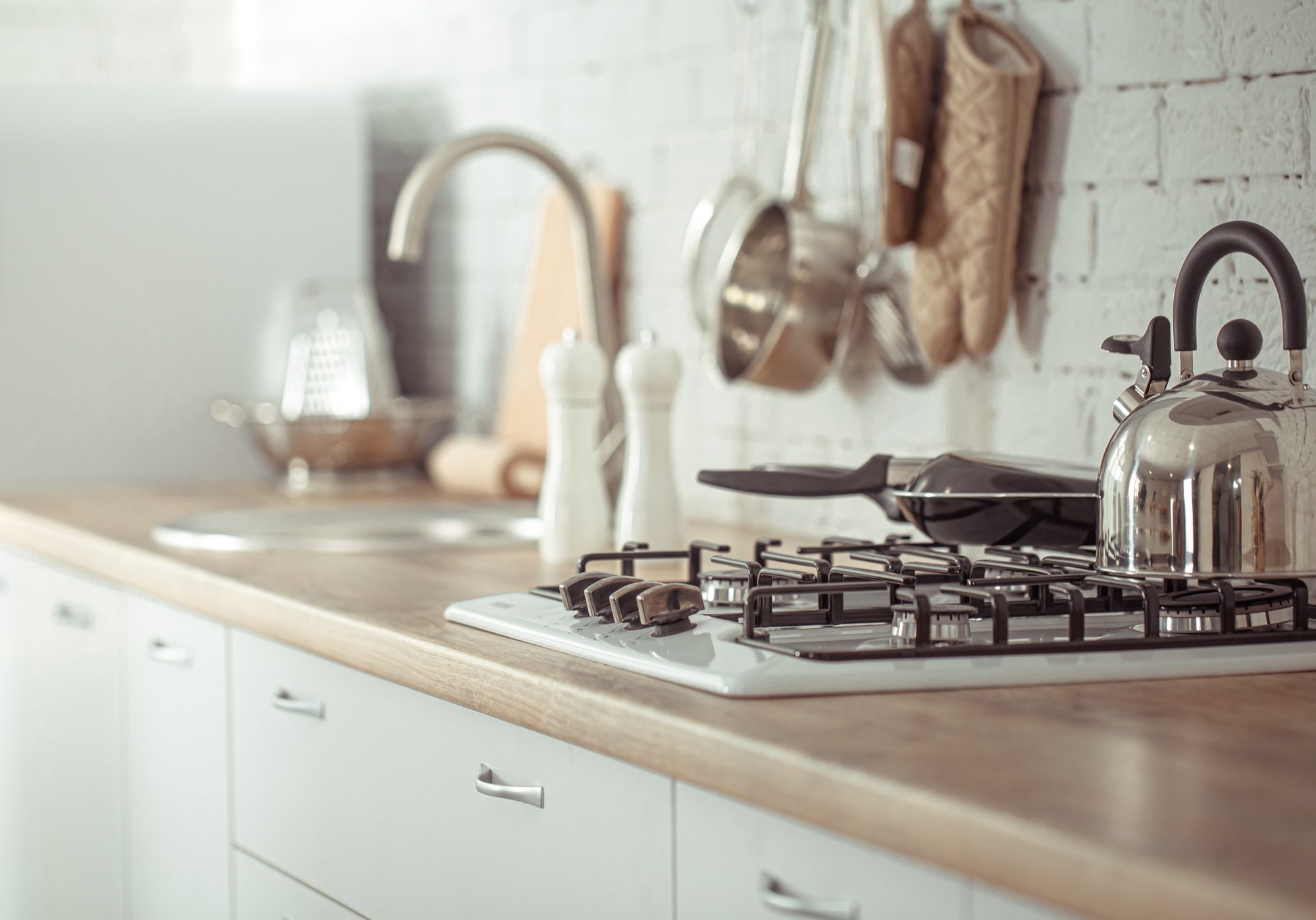
Whole-home and partial renovation, kitchens, bathrooms, wet trades, services and bespoke joinery.
To see finished interiors, view our Renovation projects; for our approach see About CraftInsignia。
Questions about the material, care and ordering.
Sintered stone is a large slab made by pressing minerals such as quartz, feldspar and clay and firing at around 1,200°C or more. It is dense, has low water absorption and differs from both natural stone and resin-bound composites.
Low water absorption resists stains and mould. The mineral surface offers good heat, scratch and wear resistance, is easy to clean and comes in marble, concrete and plain finishes.
Hard but brittle edges can chip. Fabrication and transport require care and experienced installers. Seams remain visible, slab delivery depends on lift and stair dimensions, and prices are generally higher than solid surface.
Sintered stone is a fired mineral ceramic; engineered quartz uses quartz crystals and resin. Hardness is similar. Sintered stone generally offers better heat resistance but requires more specialised fabrication. Quartz is common in kitchen worktops. See the comparison table。
Use a trivet. Even heat-resistant slabs and the underlying cabinet can be affected by sudden temperature changes.
Use a soft cloth with water or neutral detergent and remove stains promptly. Avoid steel wool, abrasives, strong acids and alkalis. Use a chopping board, protect corners from impact and leave the surface unwaxed.
Common applications include kitchen worktops and walls, TV walls, tables, cabinet fronts, entrance features and bathroom walls. Our range focuses on furniture and cabinets.
Thin slabs suit doors and finishes with backing. Worktops and tables need adequate thickness and support around cut-outs and loads. Confirm the specification with the fabricator.